The physical and emotional demands of pregnancy can be significant. Research published by the World Health Organization (WHO) highlights that maternal well-being is closely linked to both pregnancy outcomes and long-term health for parent and child. As the body adapts to support fetal development, many individuals experience changes that affect energy levels, sleep quality, mood, and physical comfort.
Many expectant parents look for ways to improve comfort and manage stress through wellness-focused activities. Information from Amenity Day Spa reflects a broader trend in the wellness industry, where self-care practices are increasingly discussed alongside maternal health considerations. While relaxation and personal care can contribute to overall well-being, understanding which treatments are appropriate during pregnancy remains an important part of making informed decisions.
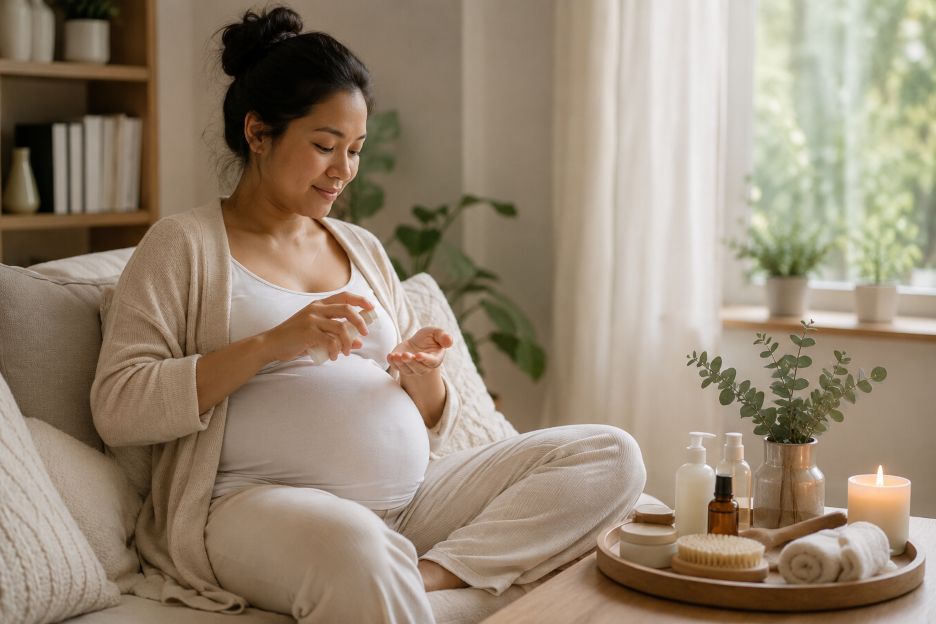
Common Physical and Emotional Challenges Experienced During Pregnancy
Pregnancy affects nearly every system in the body. Hormonal changes can contribute to fatigue, nausea, mood fluctuations, and changes in skin condition. As pregnancy progresses, physical discomfort may increase due to weight gain, shifting posture, and increased pressure on muscles and joints.
Experts at the American College of Obstetricians and Gynecologists (ACOG) note that emotional changes are also common. Anticipation about childbirth, concerns about parenting, work responsibilities, and lifestyle adjustments can all contribute to stress. While these experiences vary from person to person, developing healthy coping strategies can help support both physical and emotional wellness.
The challenge is finding a balance between self-care and safety. Fortunately, many wellness practices can be adapted to support maternal health when approached thoughtfully.
Step 1: Understanding Which Wellness Practices Are Pregnancy-Friendly
The first step in building a pregnancy wellness routine is identifying activities that are generally considered safe during pregnancy. Experts emphasize that self-care should complement medical care rather than replace it.
Research from the Mayo Clinic indicates that moderate physical activity can provide numerous benefits during pregnancy, including improved circulation, reduced back pain, better sleep, and enhanced mood. Activities often recommended include:
- Walking
- Prenatal yoga
- Swimming
- Low-impact aerobic exercise
- Gentle stretching routines
Hydration, adequate sleep, and balanced nutrition also form the foundation of a healthy wellness plan. Data from the Centers for Disease Control and Prevention (CDC) indicates that proper nutrition during pregnancy supports fetal development and maternal health.
Before participating in any wellness treatment, individuals should consider their medical history, pregnancy stage, and any recommendations provided by their healthcare team.
Step 2: Managing Stress Through Relaxation and Self-Care Routines
Stress management plays an important role in maternal wellness. Research published by the National Institutes of Health (NIH) suggests that chronic stress may influence both physical and emotional health during pregnancy.
Fortunately, stress reduction does not require complicated interventions. Many simple practices can promote relaxation and improve daily well-being.
Mindfulness and Meditation
Studies supported by the NIH show that mindfulness-based approaches may help reduce anxiety and improve emotional resilience. Guided breathing exercises, meditation apps, and quiet reflection can often be incorporated into daily routines.
Rest and Sleep Hygiene
Sleep disturbances become more common as pregnancy progresses. Maintaining a consistent bedtime routine, limiting screen exposure before sleep, and creating a comfortable sleeping environment may help improve rest quality.
Support Networks
Experts from the March of Dimes note that emotional support from family members, friends, healthcare providers, and support groups can help reduce feelings of isolation and anxiety during pregnancy.
Even small acts of self-care, such as reading, spending time outdoors, or enjoying a quiet break, can contribute to emotional balance.
Step 3: Evaluating Skincare and Body Care Options During Pregnancy
Changes in hormone levels frequently affect the skin. Some individuals experience increased sensitivity, acne, pigmentation changes, or dryness. At the same time, physical discomfort may lead people to explore body care treatments designed to encourage relaxation.
Experts from the American Academy of Dermatology Association advise reviewing skincare products carefully during pregnancy. Certain ingredients may require medical guidance before use.
When evaluating skincare and body care options, considerations may include:
- Ingredient safety
- Treatment intensity
- Heat exposure levels
- Potential effects on circulation
- Individual medical circumstances
Some wellness centers offer prenatal-focused services designed to accommodate the needs of expectant parents. However, treatment availability and suitability vary widely. What may be appropriate for one person may not be recommended for another.
Experts generally encourage a cautious approach, particularly when considering newer or more intensive cosmetic procedures during pregnancy.
Step 4: Consulting Qualified Healthcare Professionals Before Treatment Decisions
The most important step in any pregnancy wellness plan is seeking professional medical guidance before beginning new treatments or therapies.
The World Health Organization and ACOG both emphasize the value of regular prenatal care throughout pregnancy. Healthcare professionals can evaluate individual risk factors, review treatment plans, and help determine whether specific wellness practices are appropriate.
Questions worth discussing with a healthcare provider may include:
- Is the treatment considered safe during pregnancy?
- Are there trimester-specific concerns?
- Could any ingredients or procedures affect maternal or fetal health?
- Are there safer alternatives available?
- How might existing medical conditions influence treatment choices?
Open communication helps reduce uncertainty and supports informed decision-making throughout pregnancy.
Wellness Centers and Emerging Self-Care Trends
Growing interest in preventive wellness has increased attention on self-care services that focus on relaxation, stress reduction, and personal well-being. Wellness facilities, spas, and holistic care environments are increasingly included in discussions about lifestyle support during pregnancy.
These facilities often reflect broader cultural trends emphasizing balance, mindfulness, and personal health maintenance. While such environments may provide opportunities for relaxation and stress management, healthcare guidance remains essential when evaluating any treatment during pregnancy.
Industry experts note that the most effective wellness strategies are usually those that align with evidence-based medical care, individual health needs, and realistic expectations.
READ ALSO: Sleeping During Pregnancy | Adjustable Bed Benefits for Pregnant Women
Building a Safe and Realistic Pregnancy Wellness Plan
Creating a sustainable pregnancy wellness routine begins with understanding personal needs and prioritizing safety. Every pregnancy is different, which means wellness plans should be flexible and tailored to individual circumstances.
A practical approach may include regular prenatal care, balanced nutrition, gentle physical activity, stress-management techniques, adequate sleep, and carefully selected personal care practices. Small, consistent habits often provide greater benefits than complicated routines.
Research from organizations including the WHO, CDC, and ACOG consistently shows that maternal well-being supports healthier pregnancy experiences. Wellness treatments and relaxation-focused activities can be valuable additions when selected thoughtfully and discussed with qualified healthcare professionals.
Ultimately, pregnancy self-care is about supporting both physical comfort and emotional resilience. By combining evidence-based healthcare with appropriate wellness practices, expectant parents can develop a balanced plan that promotes confidence, safety, and long-term maternal health.
